
 Русский
  English
  Deutsch
  Español
  العربية
  中文
中文  Türkçe
  Français
  Italiano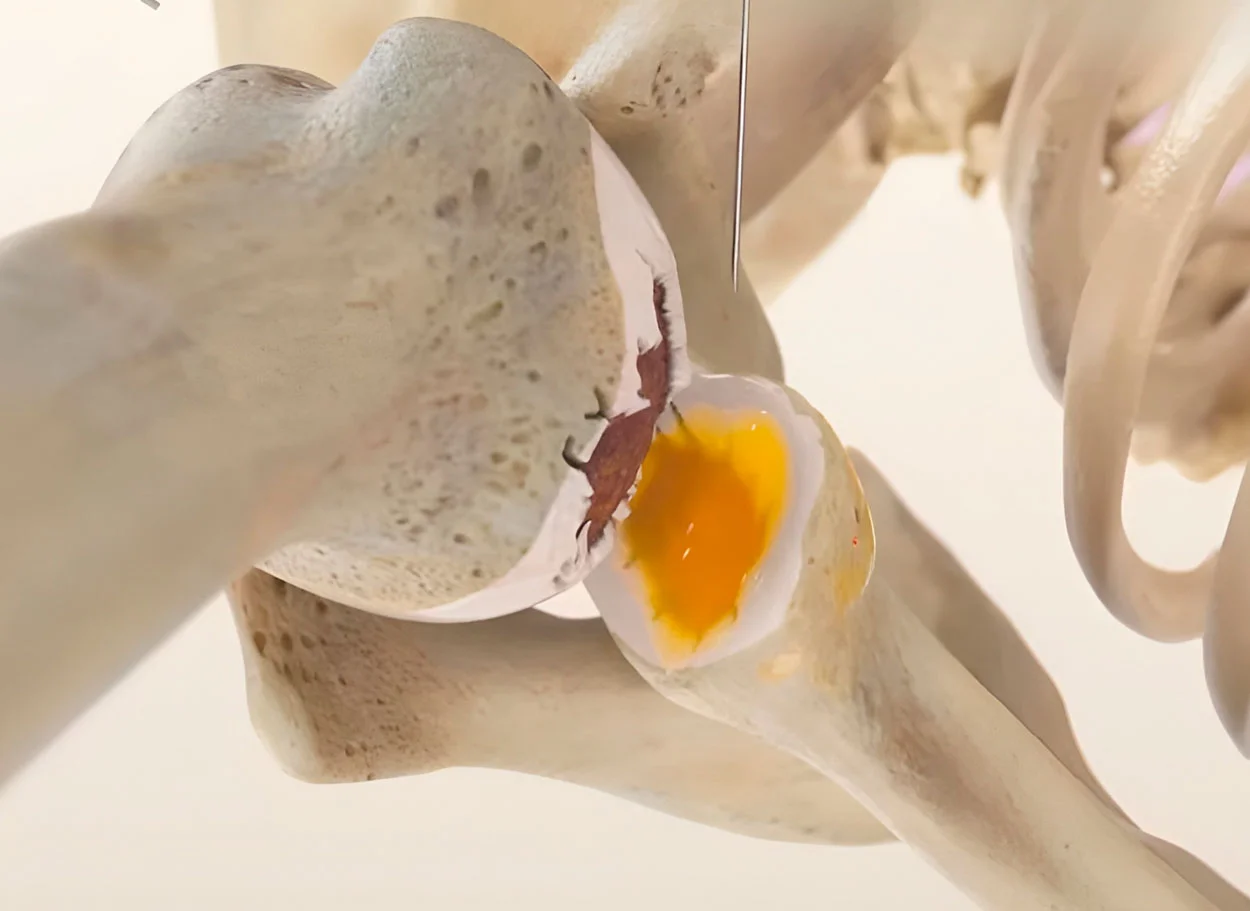
What is shoulder instability?
Shoulder instability is a condition in which the humeral head displaces from the glenoid cavity (subluxation or dislocation). After the first dislocation in young people, the risk of recurrence is 80-90%.
Types of instability:
- Traumatic — after dislocation, Bankart lesion
- Atraumatic — hypermobility, multidirectional
- Microninstability — subluxations without full dislocation
Injuries:
- Bankart — detachment of labrum
- Hill-Sachs — impression fracture of humeral head
- SLAP — detachment of superior labrum
- Capsule strain — volume increase
Facts
- ICD-10: M25.31
- Recurrence: 80-90% (up to 25 years)
- Age: 15-35 years
- After surgery: recurrence 5-15%
Symptoms of instability
Typical complaints
- Recurrent subluxations or dislocations
- Sensation of «head slipping out»
- Pain with abduction and external rotation
- Fear of recurrent dislocation
- Sports restriction
Consequences without treatment
- Increased frequency of dislocations
- Progression of Bankart lesion
- Bone loss (glenoid bone loss)
- Development of shoulder osteoarthritis
- Inability to participate in sports
When MIBRAR® is particularly effective
- After first dislocation (recurrence prevention)
- Mild and moderate instability
- Microninstability in athletes
- Supplement to rehabilitation
How MIBRAR® treats instability
MRI diagnosis
MRI determines the type of injury (Bankart, SLAP, Hill-Sachs), condition of capsule and ligaments, bone loss. Feasibility of regenerative treatment is assessed.
Obtaining Concentrates
CGF — connective tissue growth factors. Lipogems® — stem cells for regeneration of the labrum, capsule, and ligaments.
Injection into the Area of Damage
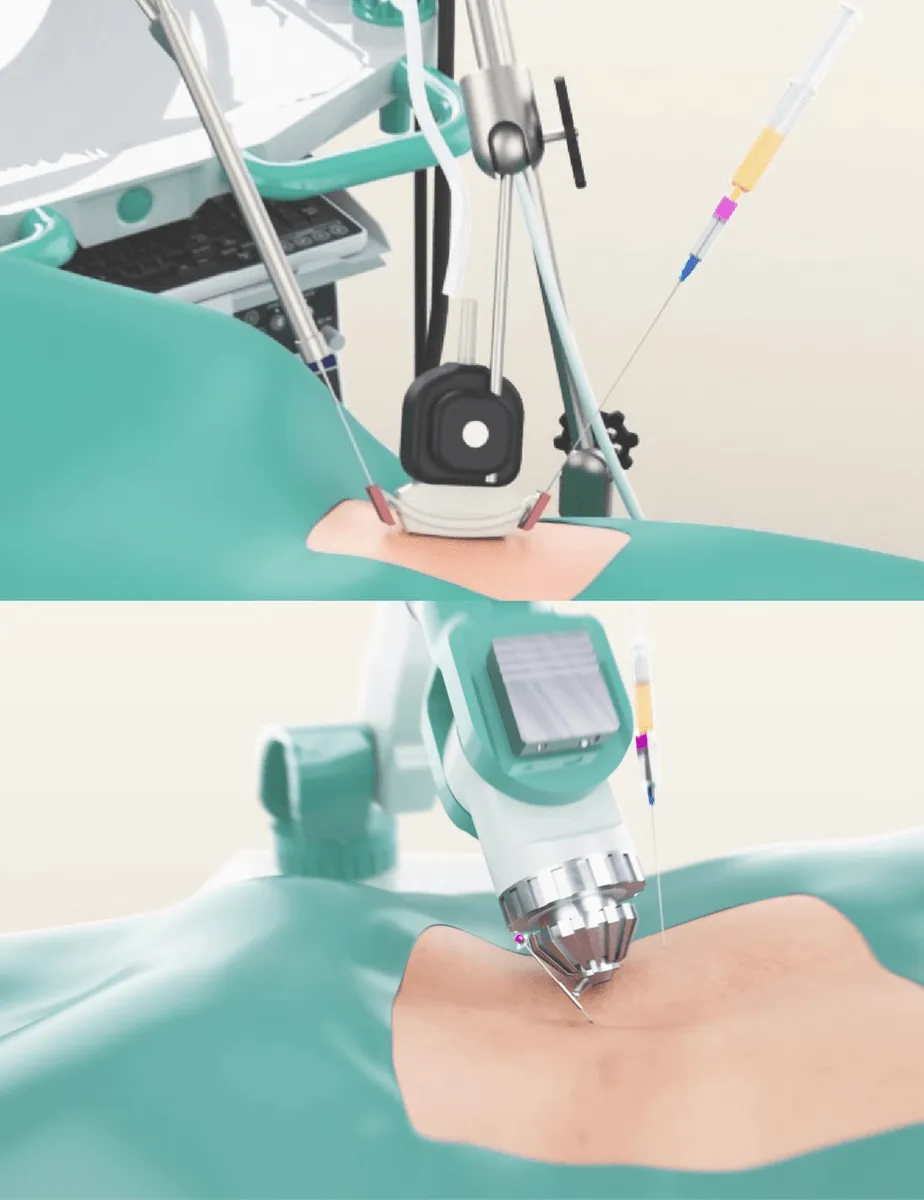
Under Sono Control Arm™ navigation, concentrates are injected into the damaged labrum, stretched capsule, and ligaments — to strengthen stabilizing structures.
Strengthening Stability
Stem cells regenerate the labrum and synthesize collagen in the capsule and ligaments, restoring stability. In combination with neuromuscular training — lasting result.
MIBRAR® Method Advantages
95% of interventions covered
MIBRAR® covers up to 95% of all spinal neurosurgery and orthopedic operations.
No anesthesia or incisions
Outpatient treatment via 0.3-1.5 mm puncture. No general anesthesia or hospitalization.
No age restrictions
Regeneration at any age. Safe for chronic conditions and anesthesia intolerance.
Rapid improvement
Concentrates have analgesic and anti-inflammatory properties. Relief within days.
Multiple zones at once
Simultaneous treatment of multiple discs or joints in one procedure.
Home the same day
No crutches, braces or rehabilitation needed. MRI follow-up at 8-16 weeks.
MIBRAR® Technology
Cyber Navi Hand™
Intraoperative robotic navigation system. Provides precise access to deep structures with 1 mm and 1 degree accuracy.

Sono Control Arm™
Device for intervention under sonographic control. Eliminates open surgeries with real-time visual monitoring.