 Русский
  English
  Deutsch
  Español
  العربية
  中文
中文  Türkçe
  Français
  Italiano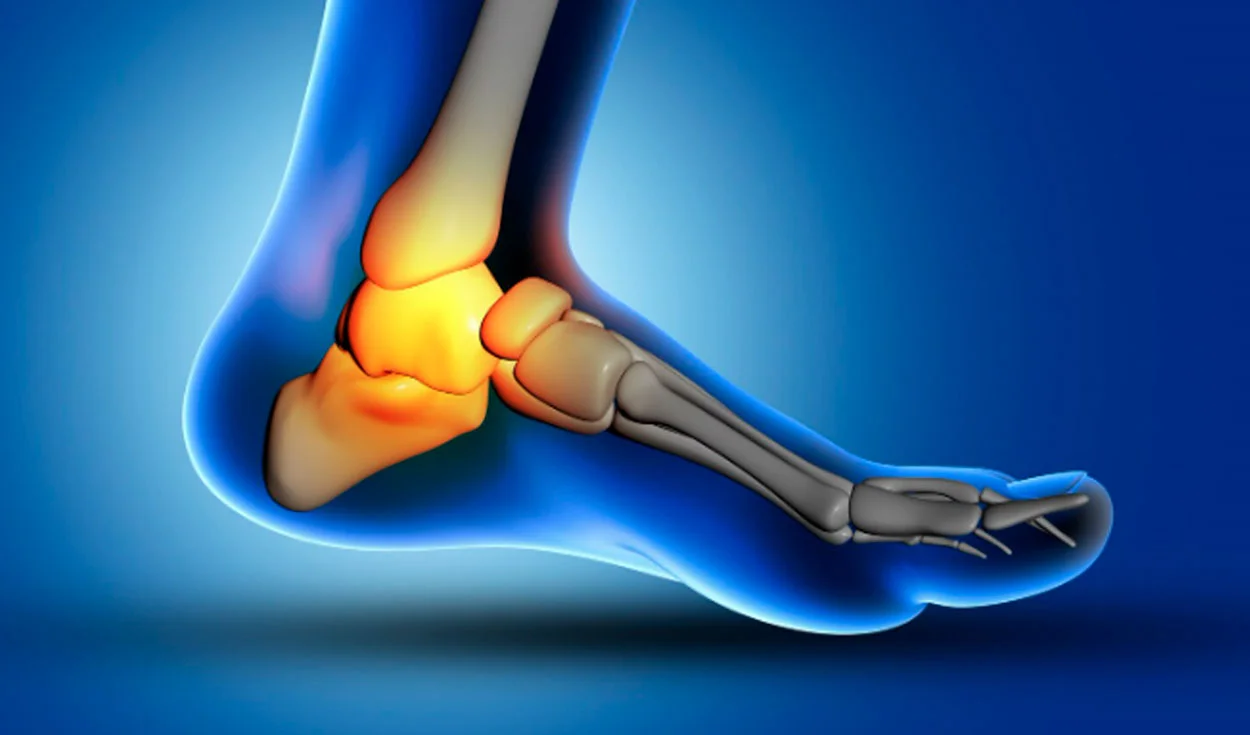
What is Ankle Ligament Injury?
Ankle ligament injury is one of the most common sports injuries. In Europe, approximately 27 000 cases occur daily. Up to 30% of patients develop chronic ankle instability — recurrent subluxations, pain, and swelling.
The anterior talofibular ligament (ATFL) is most commonly injured in inversion injuries (foot rolling inward).
Degrees of injury:
- Grade I — sprain (microtears of fibers), minimal swelling
- Grade II — partial ligament tear, moderate swelling and hematoma
- Grade III — complete ligament tear, significant instability
Why complete regeneration is important:
- Incomplete healing → chronic instability (30%)
- Recurrent subluxations → cartilage damage
- Chronic instability → ankle osteoarthritis
Facts
- ICD-10: S93.4
- Frequency: 27 000/day in Europe
- Chronic instability: up to 30%
- Ligament: ATFL most common
- Complication: ankle osteoarthritis
How MIBRAR® treats ligament injuries
Ultrasound diagnostics
Sono Control Arm™ assesses ligament integrity (ATFL, CFL, PTFL), presence of tears, degree of instability — dynamically during stress tests.
Obtaining concentrates
CGF — connective tissue growth factors for collagenogenesis. Lipogems® — stem cells differentiating into fibrocytes for ligament regeneration.
Injection into the injury site
Under ultrasound guidance, concentrates are injected directly to the damaged ligaments — precisely into the tear zone. In chronic instability — into stretched ligaments.
Ligament regeneration
Stem cells synthesize collagen and restore ligament strength. Result — stable ankle, reduced risk of re-injury, and prevention of osteoarthritis.
MIBRAR® Method Advantages
95% of interventions covered
MIBRAR® covers up to 95% of all spinal neurosurgery and orthopedic operations.
No anesthesia or incisions
Outpatient treatment via 0.3-1.5 mm puncture. No general anesthesia or hospitalization.
No age restrictions
Regeneration at any age. Safe for chronic conditions and anesthesia intolerance.
Rapid improvement
Concentrates have analgesic and anti-inflammatory properties. Relief within days.
Multiple zones at once
Simultaneous treatment of multiple discs or joints in one procedure.
Home the same day
No crutches, braces or rehabilitation needed. MRI follow-up at 8-16 weeks.
MIBRAR® Technology
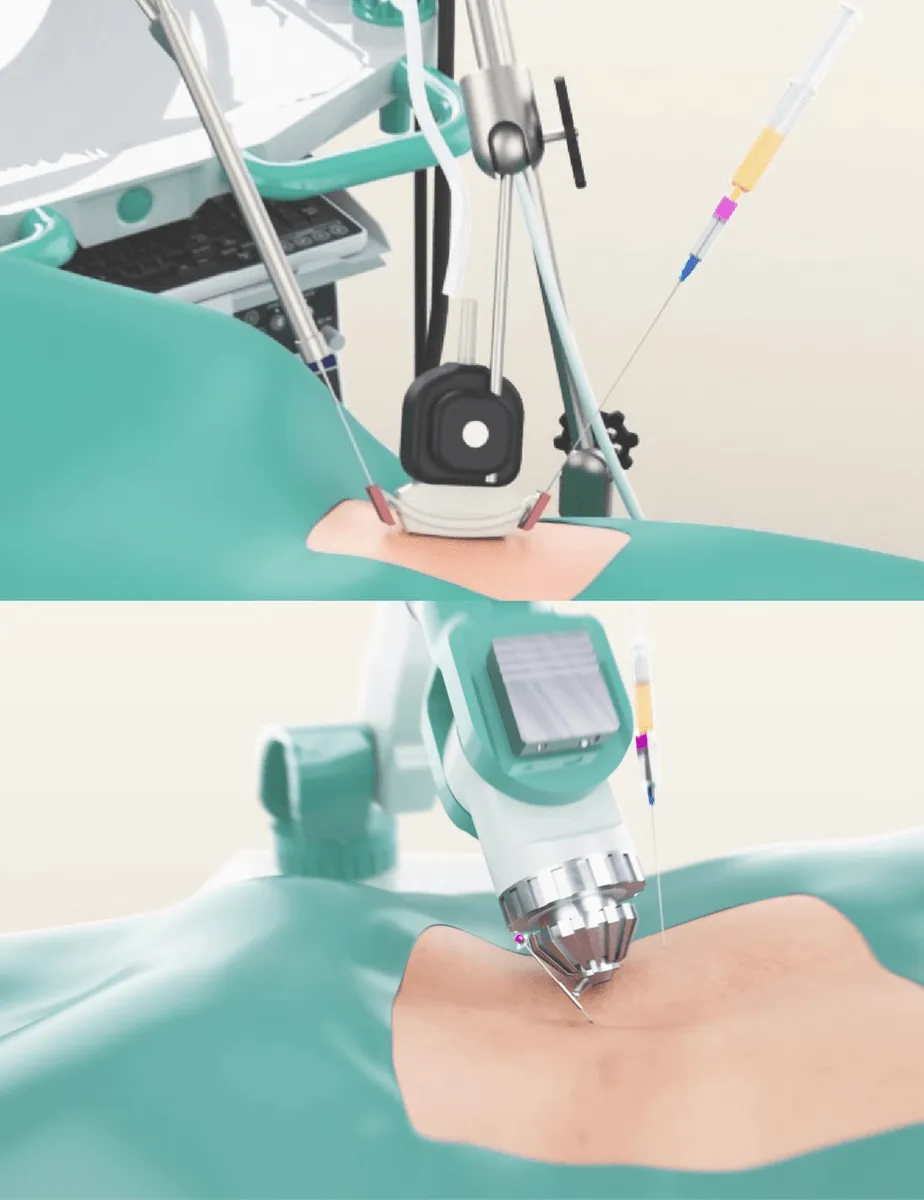
Cyber Navi Hand™
Intraoperative robotic navigation system. Provides precise access to deep structures with 1 mm and 1 degree accuracy.

Sono Control Arm™
Device for intervention under sonographic control. Eliminates open surgeries with real-time visual monitoring.