 Русский
  English
  Deutsch
  Español
  العربية
  中文
中文  Türkçe
  Français
  Italiano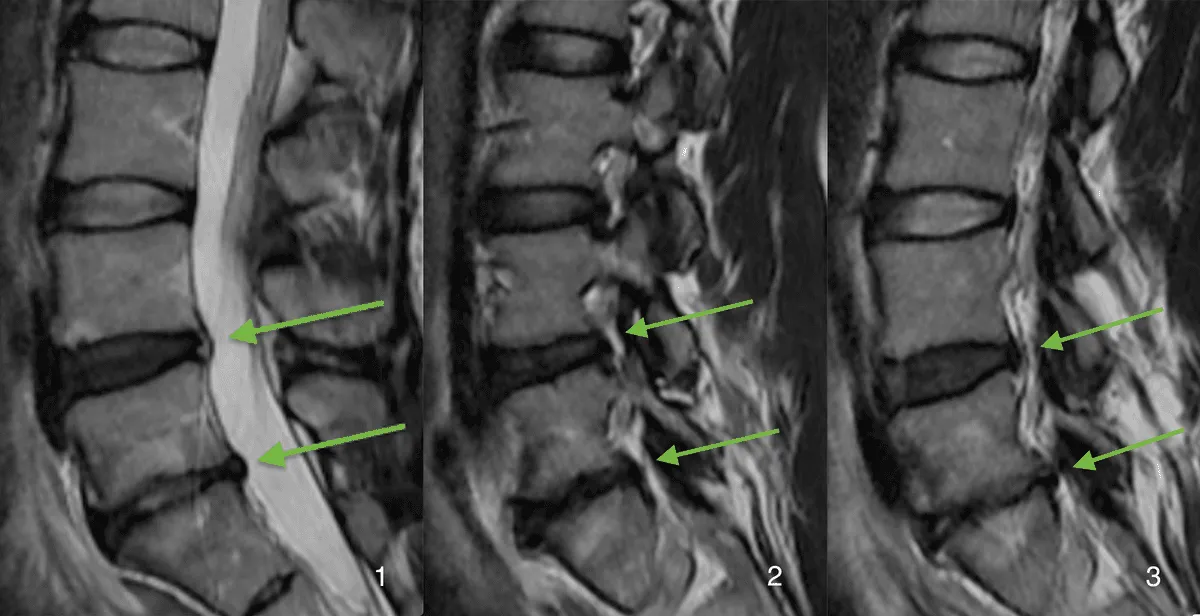
Spine Conditions We Treat
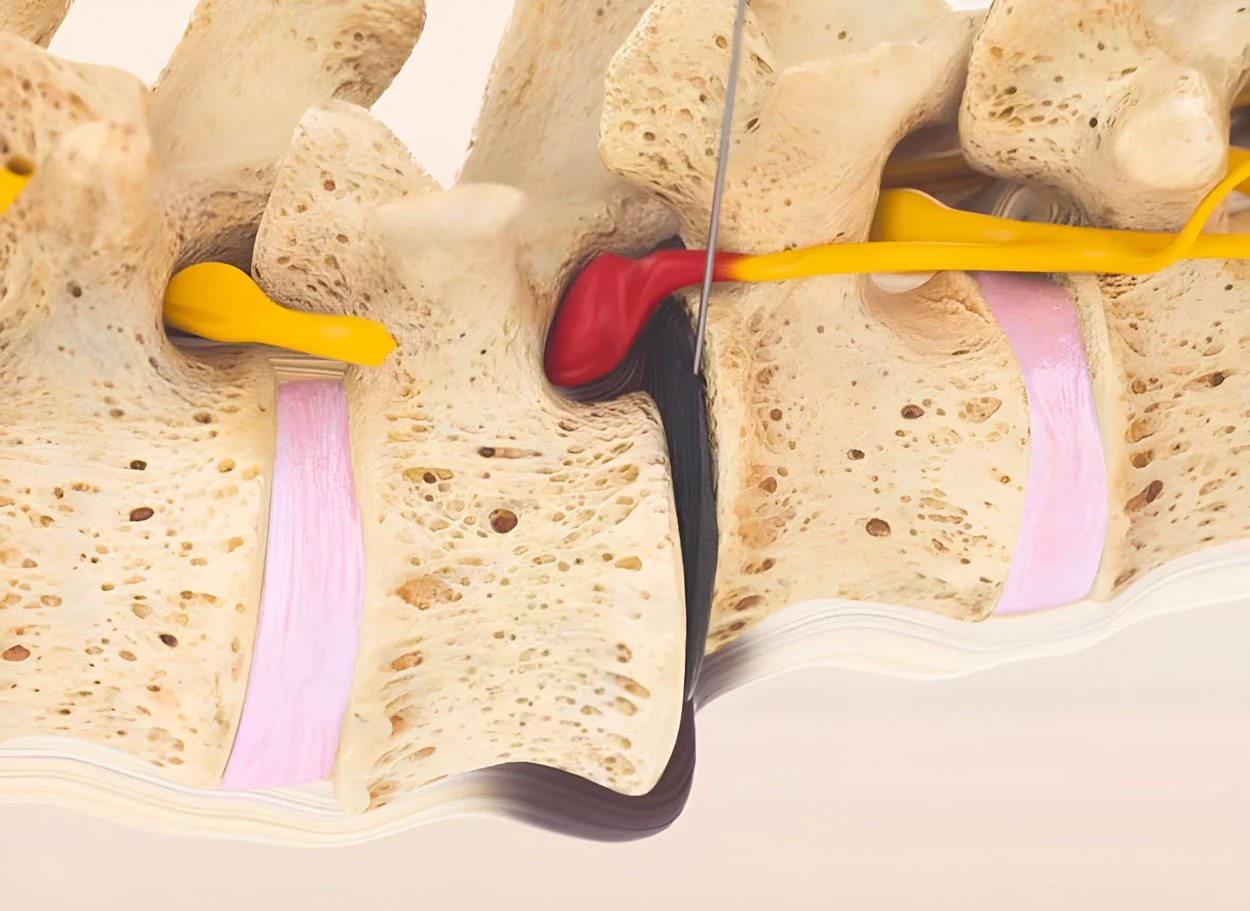
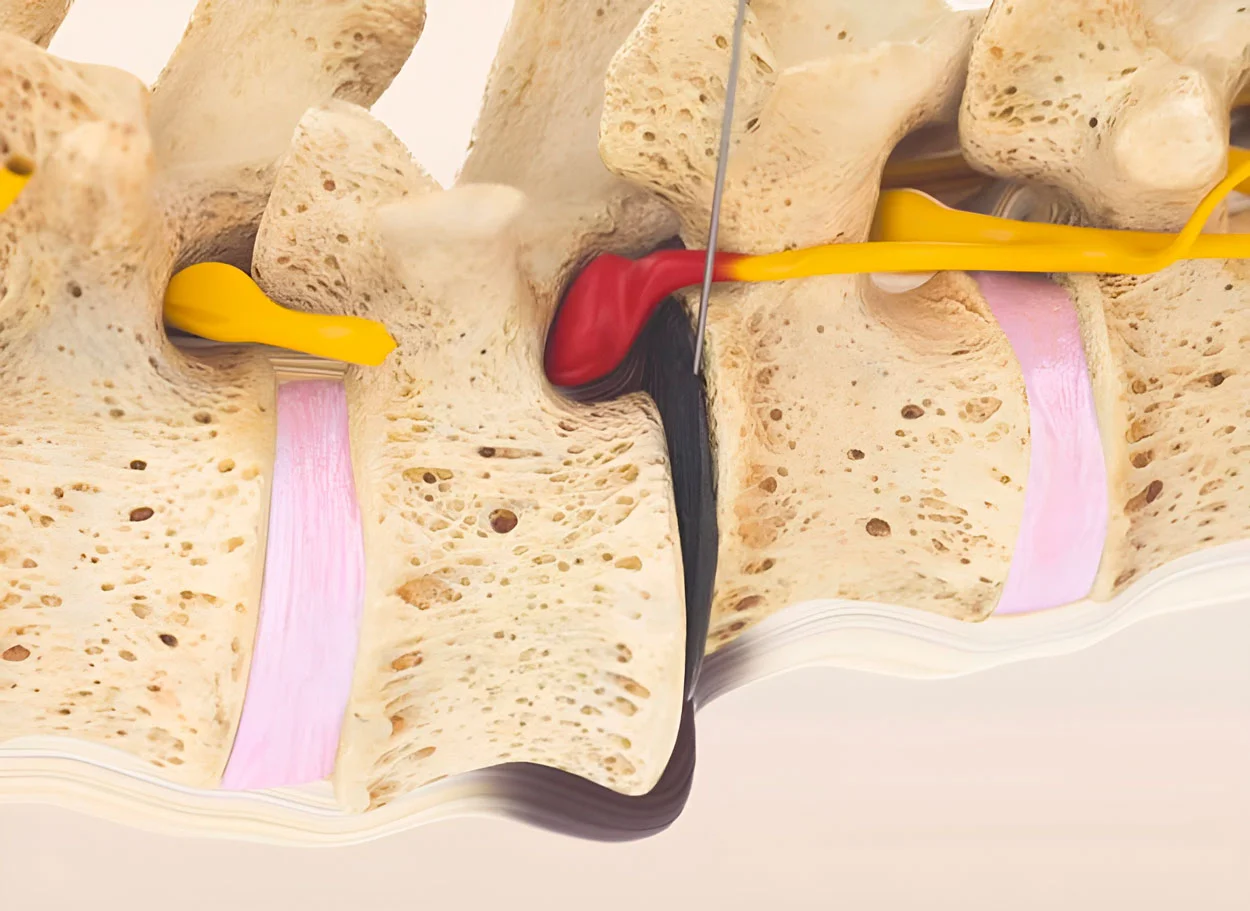
Herniated Disc
Herniation of an intervertebral disc with nerve compression. Pain, numbness, weakness in the extremities.
Learn More About Treatment →Spinal Stenosis
Narrowing of the spinal canal with compression of the spinal cord and nerves. Pain when walking, numbness in the legs.
Learn More About Treatment →Osteochondrosis
Degenerative changes in the intervertebral discs. Chronic back pain, stiffness, reduced mobility.
Learn More About Treatment →Spondylolisthesis
Displacement of a vertebra relative to another. Instability, pain in the lower back, nerve compression.
Learn More About Treatment →Sciatica
Inflammation or compression of the sciatic nerve. Shooting pain from the lower back through the buttock to the leg.
Learn More About Treatment →Facet Syndrome
Arthrosis of the facet joints. Chronic pain worsening with extension and rotation. Often misdiagnosed.
Learn More About Treatment →Failed Back Surgery Syndrome
Persistent pain after spinal surgery. Scar tissue, adjacent segment disease, nerve damage.
Learn More About Treatment →Also Treated Using the MIBRAR® Method
In addition to the conditions listed above, the MIBRAR® method is effective for the following spine pathologies:
- Disc protrusion
- Foraminal stenosis
- Scheuermann disease
- Ankylosing spondylitis
- Coccygodynia
- Sacroiliac joint dysfunction
Every case is individual. Send your MRI images for a free assessment of treatment possibilities using the MIBRAR® method.
Why MIBRAR® for the Spine
Without General Anesthesia
All procedures are performed under local anesthesia. The patient remains conscious and can communicate with the doctor.
Without Incisions
Surgical accesses 0.3-1.5 mm — comparable to a syringe needle prick. Tissue integrity is restored within hours.
Multiple Discs at Once
Multiple intervertebral discs and joints can be treated simultaneously in one procedure.
Home the Same Day
Outpatient procedure. Hospitalization is not required. The patient goes home independently.
MIBRAR® Method Advantages
95% of interventions covered
MIBRAR® covers up to 95% of all spinal neurosurgery and orthopedic operations.
No anesthesia or incisions
Outpatient treatment via 0.3-1.5 mm puncture. No general anesthesia or hospitalization.
No age restrictions
Regeneration at any age. Safe for chronic conditions and anesthesia intolerance.
Rapid improvement
Concentrates have analgesic and anti-inflammatory properties. Relief within days.
Multiple zones at once
Simultaneous treatment of multiple discs or joints in one procedure.
Home the same day
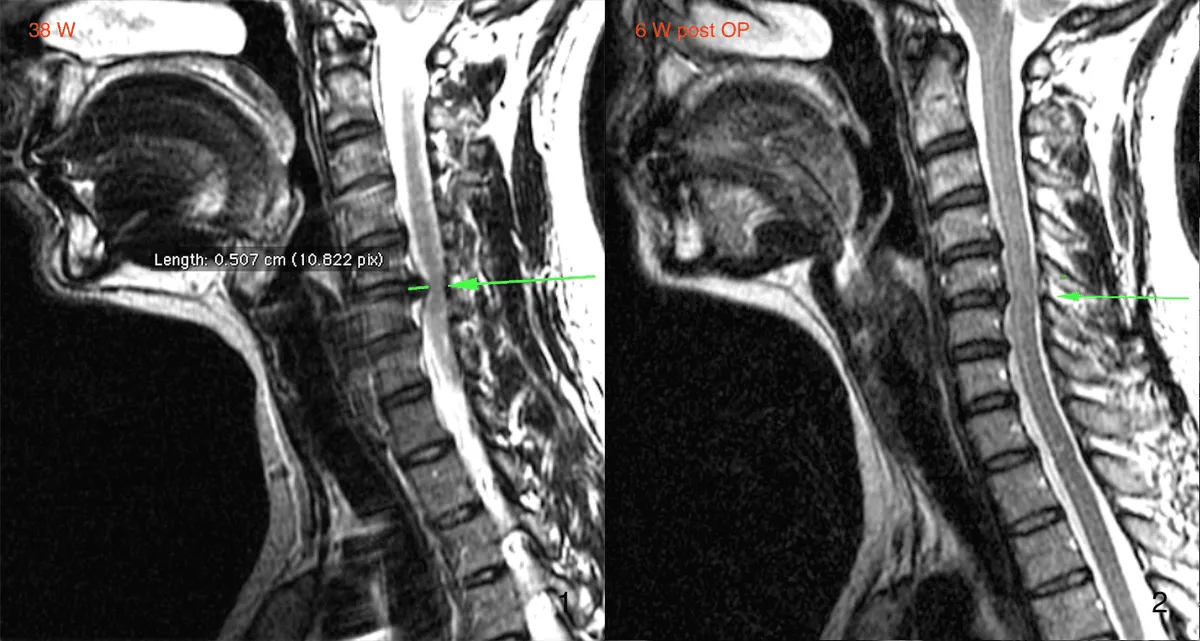
No crutches, braces or rehabilitation needed. MRI follow-up at 8-16 weeks.
MIBRAR® Technology
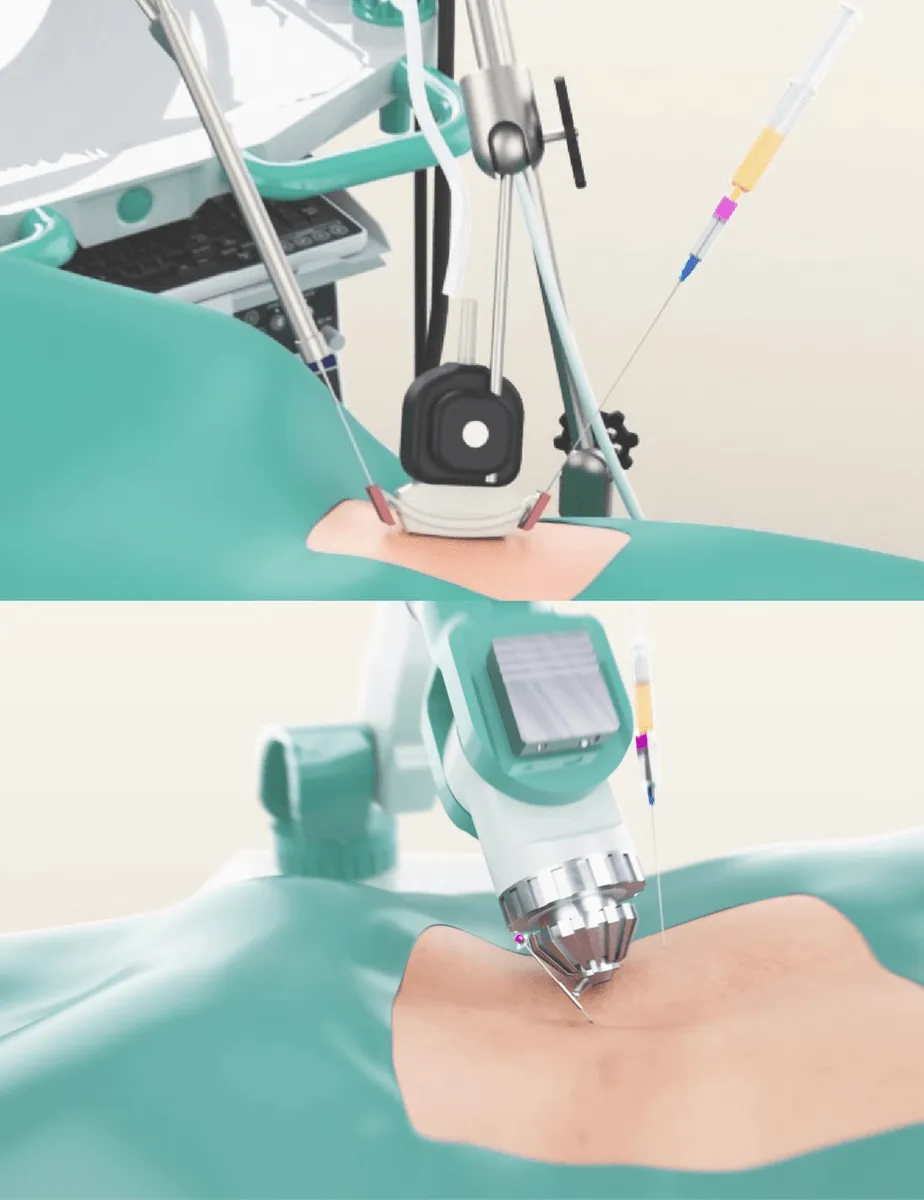
Cyber Navi Hand™
Intraoperative robotic navigation system. Provides precise access to deep structures with 1 mm and 1 degree accuracy.

Sono Control Arm™
Device for intervention under sonographic control. Eliminates open surgeries with real-time visual monitoring.