 Русский
  English
  Deutsch
  Español
  العربية
  中文
中文  Türkçe
  Français
  Italiano
  Prof. Dr. med. Arsen Babayan
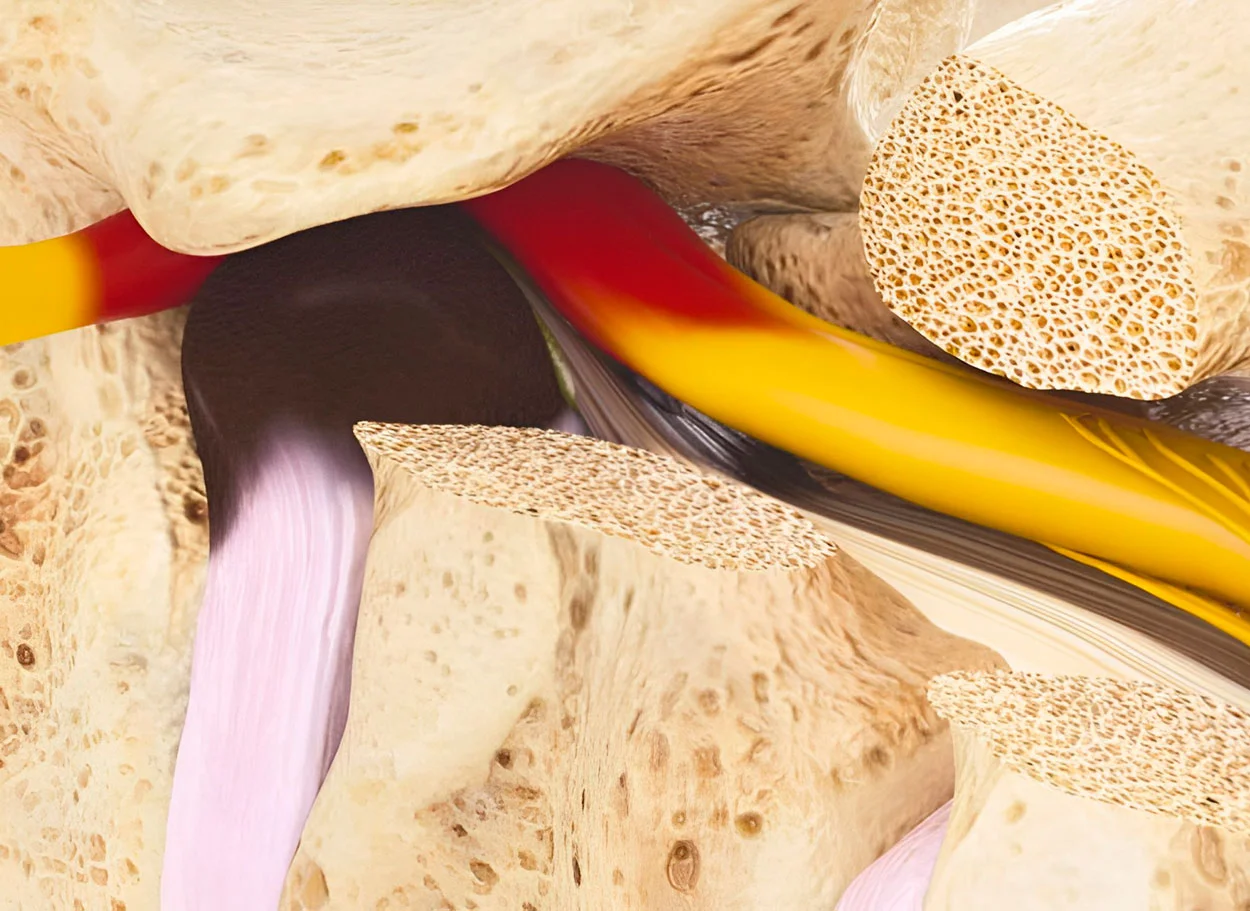
Back pain is the #1 reason for doctor visits in Europe. When conservative treatment fails, patients start looking for a clinic. And that's when the confusion begins: "innovative methods," "non-surgical treatment," "proprietary techniques" — how to distinguish marketing from real expertise?
Why Choosing a Clinic is So Important
According to Kassenarztliche Bundesvereinigung (KBV), Germany performs over 800,000 spine surgeries annually. According to BARMER GEK, up to 70% of them could have been avoided with the right treatment choice. Failed Back Surgery Syndrome (FBSS) develops in 10–40% of operated patients.
Choosing the right clinic is not just about comfort. It's the choice between effective treatment and years of chronic pain.
Criterion 1: Doctor's Qualifications
What to check:
- Facharzt title — in Germany, this is Facharzt fur Orthopadie und Unfallchirurgie
- Habilitation — scientific qualification confirming deep knowledge of the field
- Publications — articles in peer-reviewed journals (PubMed, Google Scholar)
- Experience — number of procedures of this type performed (minimum 1000)
Certificates of "spine expert" from commercial organizations are not a guarantee. Focus on academic achievements and real experience.
Criterion 2: Availability of Before/After Control MRIs
The main indicator of effectiveness is objective MRI confirmation. The clinic must:
- Show MRI images before and after treatment (not just reviews)
- Have an archive of real clinical cases
- Provide follow-up MRI 8–16 weeks after the procedure
If a clinic shows only reviews but no MRIs — this is a red flag.
Criterion 3: Technological Base
Modern spine treatment requires precise equipment:
- 3D navigation — for precise delivery of drugs to the damaged structure
- Certified biomaterials — for example, Lipogems® (FDA-approved)
- Certified laboratory — for preparing cell concentrates
Ask about specific technology names and their regulatory status (CE Mark, FDA).
Criterion 4: Treatment Spectrum
A good clinic does not offer "one method for everything." A multidisciplinary approach is important:
- Diagnostics (MRI, CT, clinical examination)
- Conservative methods (physiotherapy, medications)
- Regenerative methods (CGF, Lipogems®)
- Minimally invasive surgery (if necessary)
If a clinic recommends surgery without attempting conservative or regenerative treatment — look for an alternative.
Criterion 5: Procedure Transparency
Before the procedure, you should receive:
- Detailed treatment plan with justification for each stage
- Description of risks and expected outcomes
- Rehabilitation protocol
- Contact for emergency communication after the procedure
Criterion 6: Location and Logistics
For international patients, the following are important:
- Assistance with visa and insurance
- Medical coordinator who speaks your language
- Airport transfer and accommodation
- Option for remote consultation before arrival
Criterion 7: Reviews and Reputation
Where to find real reviews:
- Jameda.de — largest doctor portal in Germany
- Google Reviews — pay attention to detailed reviews
- DocFinder — for Austria and German-speaking countries
- Patient video reviews — harder to fake
Criterion 8: Scientific Evidence Base
The best clinics participate in scientific research and publish results. This confirms:
- Systematic approach to treatment
- Honest evaluation of outcomes (including failures)
- Continuous improvement of techniques
Checklist: Summary
- ? Physician's academic qualifications (Facharzt, Habilitation)
- ? MRI before/after in real patients
- ? Certified technologies (CE, FDA)
- ? Multidisciplinary approach
- ? Transparent treatment protocol
- ? Logistics support for foreigners
- ? Independent reviews on portals
- ? Scientific publications and research