 Русский
  English
  Deutsch
  Español
  العربية
  中文
中文  Türkçe
  Français
  Italiano
  Prof. Dr. med. Arsen Babayan
Physiotherapy and regenerative medicine are not competitors, but tools for different tasks. The problem is that patients often attend exercise therapy for years with conditions that require biological intervention. And vice versa — they undergo expensive injections when proper exercises would suffice.
What Physiotherapy Does
Physiotherapy works with function — muscle strength, mobility, coordination, posture. Main methods:
- Exercise Therapy — therapeutic physical training, strengthening stabilizer muscles
- Manual Therapy — joint mobilization, relieving muscle blocks
- Electrotherapy — TENS, ultrasound, magnetotherapy
- Hydrotherapy — pool exercises (reducing joint load)
- Taping — kinesio tapes for support
What Regenerative Medicine Does
Regenerative medicine works with structure — restores damaged tissues at the cellular level:
- PRP/CGF — growth factors stimulate healing
- Lipogems® — stem cells differentiate into chondrocytes, fibroblasts
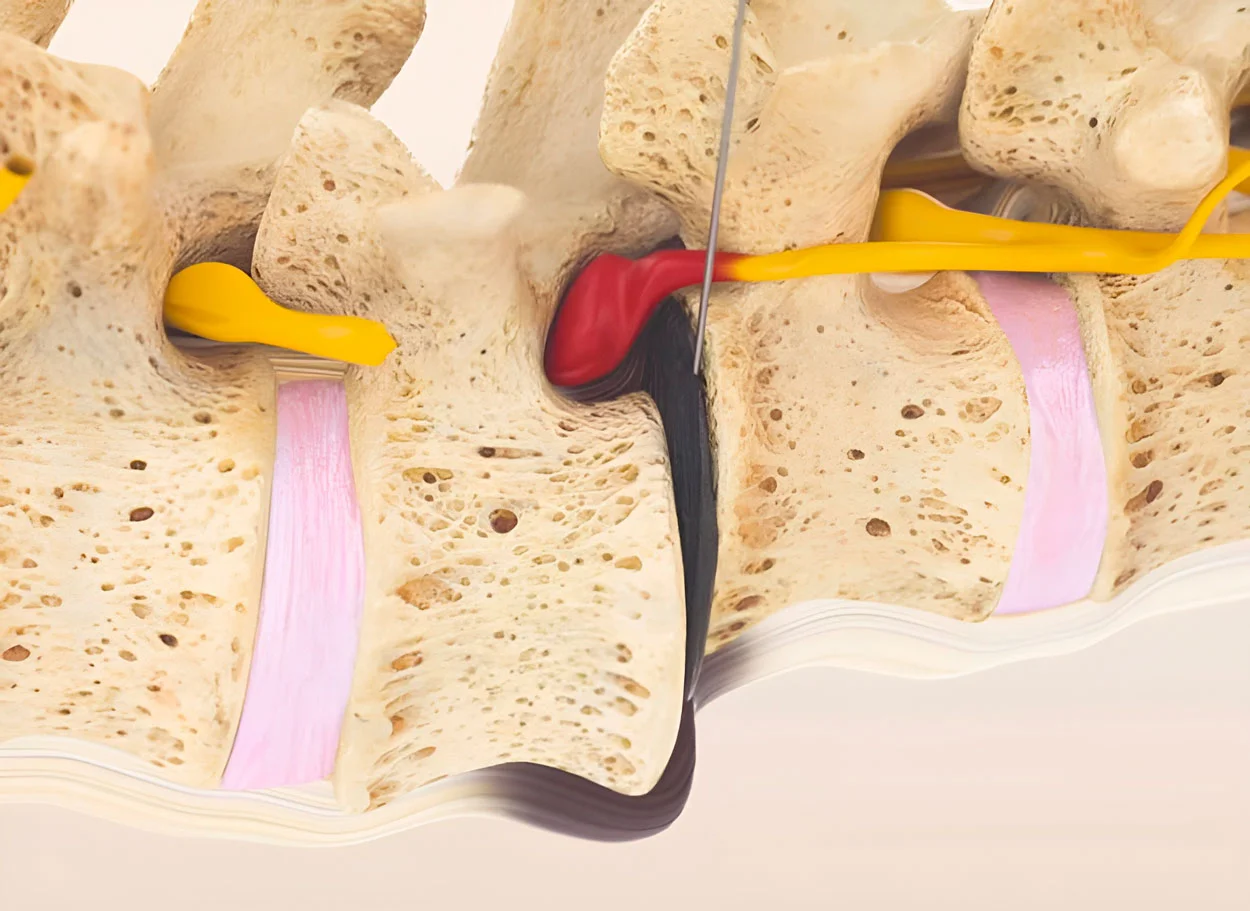
- Intradiscal Therapy — delivery of concentrates to damaged discs
When Physiotherapy is Sufficient
- Muscle Pain — tension, spasm, myofascial syndrome
- Postoperative Rehabilitation — restoring range of motion and strength
- Posture — functional disorders without structural changes
- Prevention — strengthening muscles to protect joints
- Acute Back Pain (without herniation) — mobilization, stretching
When Regenerative Medicine is Needed
- Herniated Disc — exercise therapy cannot restore the damaged disc
- Knee Osteoarthritis (Gonarthrosis) Stage II–III — cartilage does not regenerate from exercises
- Meniscus Tear — meniscus tissue does not heal on its own
Comparison Table
| Parameter | Physiotherapy | Regenerative (MIBRAR®) |
|---|---|---|
| Goal | Function (strength, mobility) | Structure (tissue regeneration) |
| Treats the cause | No (compensation) | Yes (restoration) |
| Effectiveness in osteoarthritis | Symptomatic | Cartilage regeneration |
| Effectiveness in herniation | No (disc will not heal) | Yes (intradiscal delivery) |
| Treatment duration | 10–20 sessions (6–12 weeks) | 1 procedure (40–60 min) |
| Rehabilitation | — | 2–4 weeks |
| Side effects | Minimal | Minimal (autologous cells) |
Optimal Strategy: Combination
Best results are achieved with a combined approach:
- Diagnosis — MRI to identify structural changes
- Regenerative treatment (if structural damage present) — MIBRAR® procedure
- Physiotherapy (after regeneration) — muscle strengthening, functional restoration
- Maintenance physical therapy — long-term program
Analogy: if a car's tire is punctured, pumping it up (physiotherapy) won't help — you need to patch the hole (regeneration). After repair — pump it up (rehabilitation).
Typical Patient Mistakes
- Years of physical therapy for herniation — disc continues to degenerate, regeneration window narrows
- Skipping physiotherapy after injections — regenerated tissue needs loading to mature
- "One injection will cure me" — regeneration takes time (8–16 weeks) and proper rehabilitation
Frequently Asked Questions
What is more effective — physiotherapy or regenerative medicine?
Depends on the diagnosis. Physiotherapy is effective for muscular problems and rehabilitation. Regenerative medicine (MIBRAR®) is necessary for structural damage: disc herniations, cartilage destruction, ligament tears.
Can physiotherapy and MIBRAR® be combined?
Yes, and it is recommended. Physical therapy before the procedure prepares tissues, and after — accelerates regeneration. Optimal scheme: 2–4 weeks preparation, MIBRAR® procedure, 8–12 weeks rehabilitation.
When is physiotherapy ineffective?
In structural damage: disc herniation >5 mm with nerve compression, stage III–IV osteoarthritis, ligament tears, avascular necrosis. In these cases, physiotherapy provides only temporary relief.