
 Русский
  English
  Deutsch
  Español
  العربية
  中文
中文  Türkçe
  Français
  Italiano
  Prof. Dr. med. Arsen Babayan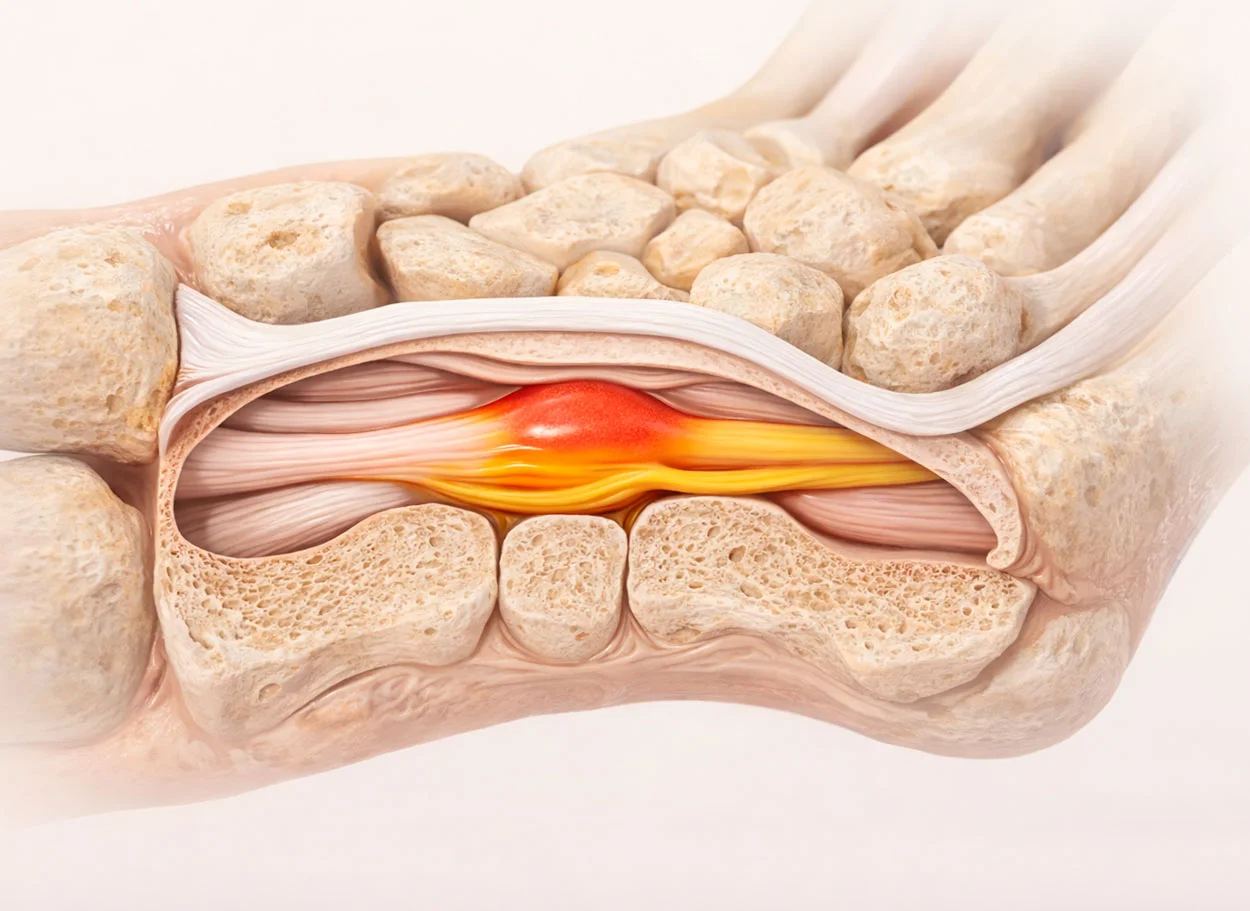
Carpal Tunnel Syndrome (CTS) is the most common compression neuropathy. It affects 3-6% of the adult population, more often women. If you wake up with numb hands — it's time to see a doctor.
What Happens in the Wrist?
The carpal tunnel is a narrow channel on the palm side of the wrist, formed by bones and the transverse ligament (retinaculum). Nine flexor tendons and the median nerve pass through it. When tissues swell, the nerve becomes compressed — symptoms appear.
5 Main Symptoms
- Nighttime numbness — tingling and numbness of fingers 1-3 that wakes you up. Shaking your hands brings temporary relief
- Morning stiffness — fingers feel "cotton-like" in the morning, resolves within 10-30 minutes
- Wrist pain — aching pain radiating into the forearm and shoulder
- Weak grip strength — dropping objects, difficulty buttoning a shirt, opening a lid
- Thenar atrophy — at advanced stages, muscles at the base of the thumb "waste away"
Risk Factors
- Work: prolonged computer work, vibrating tools, assembly line work
- Hormones: pregnancy, menopause, hypothyroidism, diabetes
- Anatomy: naturally narrow carpal canal, previous wrist fractures
- Rheumatology: Rheumatoid Arthritis, gout, amyloidosis
Diagnosis
Phalen's Test: bend your wrists for 60 seconds — numbness appearing confirms CTS. Tinel's Test: tapping over the carpal tunnel causes "shooting" sensations in the fingers.
EMG (Electromyography) — the gold standard. Measures the speed of impulse conduction along the median nerve. Slowing > 4.4 m/s — confirms diagnosis.
Wrist ultrasound — shows nerve thickening, tendon swelling, nerve cross-sectional area.
Related Articles
MIBRAR® — Alternative to Ligament Release
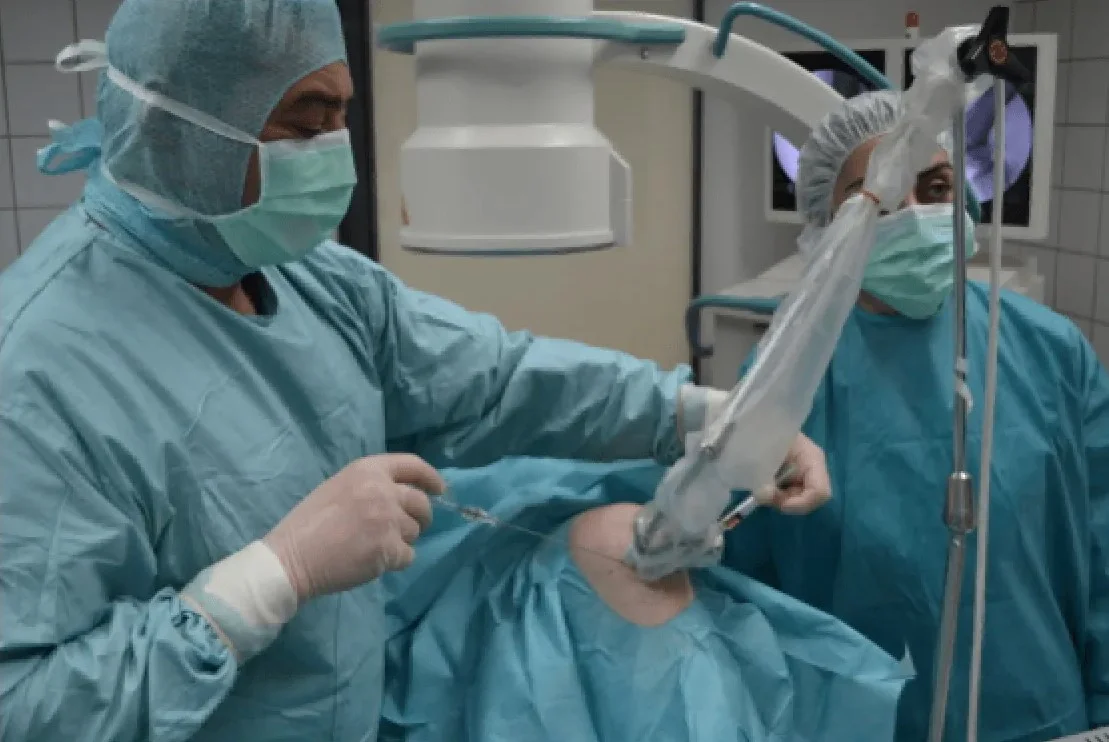
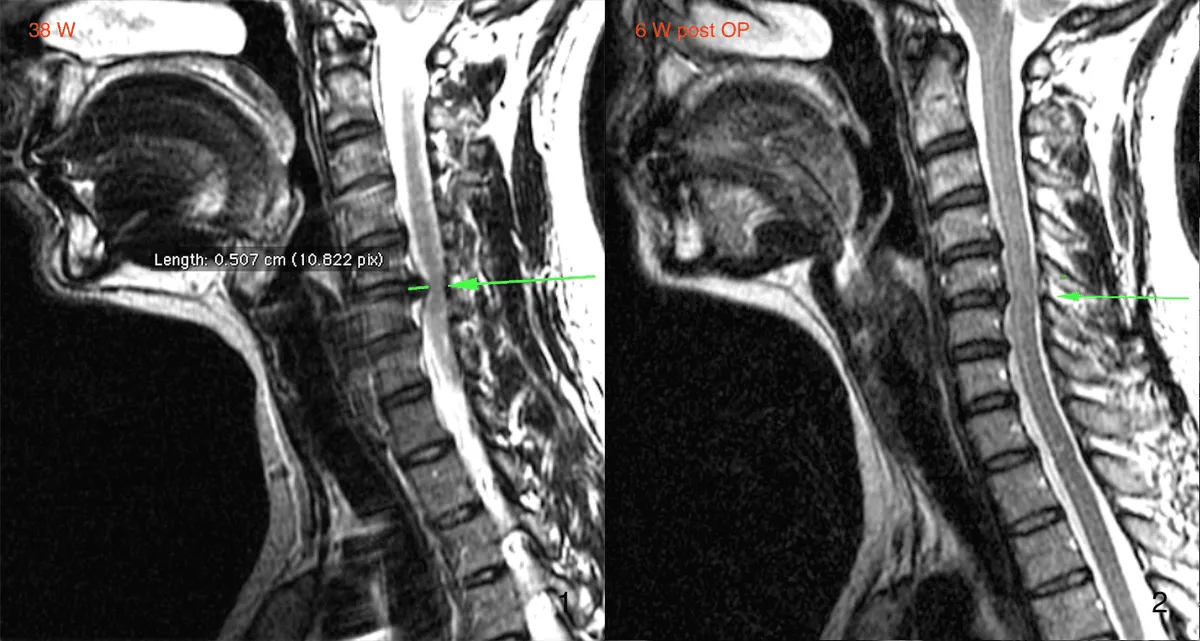
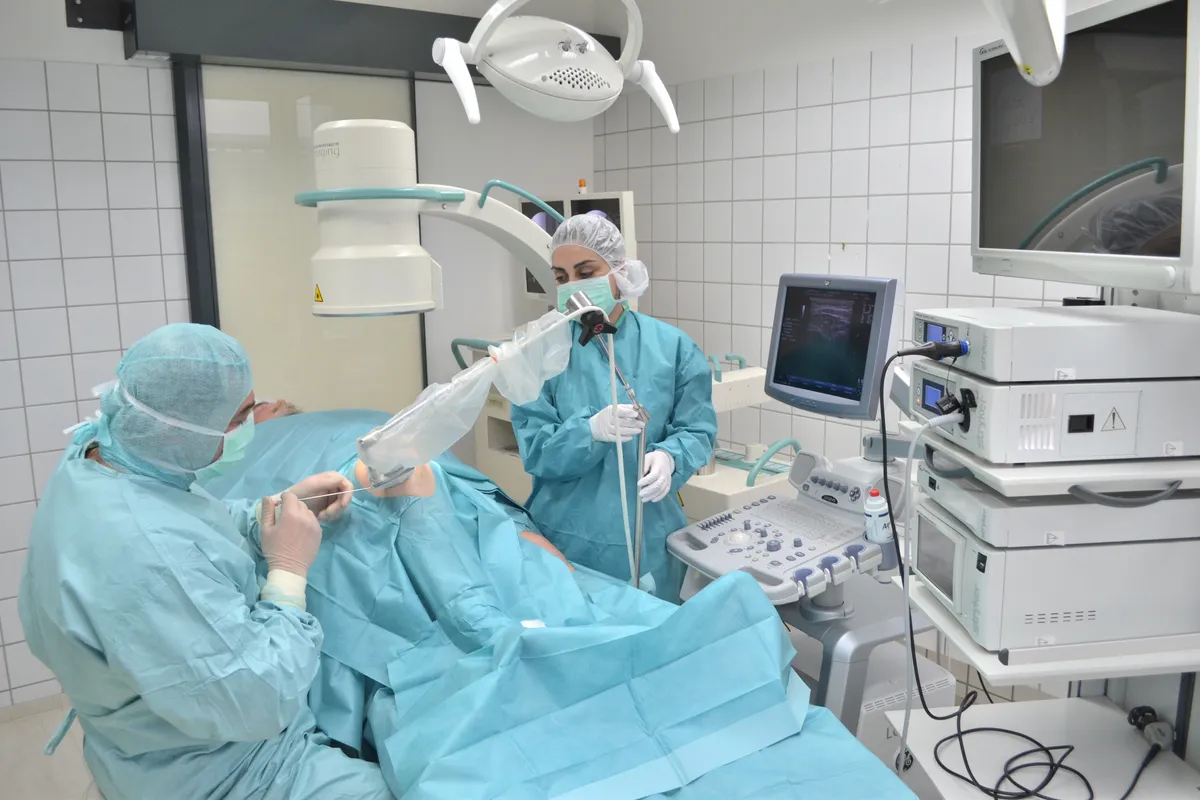
The MIBRAR® method decompresses the median nerve biologically:
- CGF reduces swelling and inflammation in the carpal canal
- Lipogems® (stem cells) restore the myelin sheath of the nerve
- The ligament is not cut → grip strength is fully preserved
- Both hands in one procedure — for bilateral involvement
- Numbness improvement — within 1-2 weeks
Don't Delay Treatment
In early stages (numbness only at night), neuroregenerative treatment achieves 95% success. In advanced stages (muscle atrophy, constant numbness), recovery may be incomplete. The earlier treatment begins — the better the outcome.
Check Your Symptoms
Free consultation — we'll assess the severity of compression and select the right treatment method
Book a Free Consultation